Contact: 044-2688 0235 / 0702 / 0790

Liquid Penetrant Testing

LPT is used to detect casting, forging and welding surface defects such as hairline cracks, surface porosity, leaks in new products, and fatigue cracks on in-service components.

Why Choose Us

Liquid Penetrant Testing

Advanced Surface Defect Detection

Dye Penetrant Inspection (DPI), also known as Liquid Penetrant Inspection (LPI) or Penetrant Testing (PT), is a highly effective and cost-efficient non-destructive testing (NDT) method used to detect surface-breaking defects in non-porous materials such as metals, plastics, and ceramics.

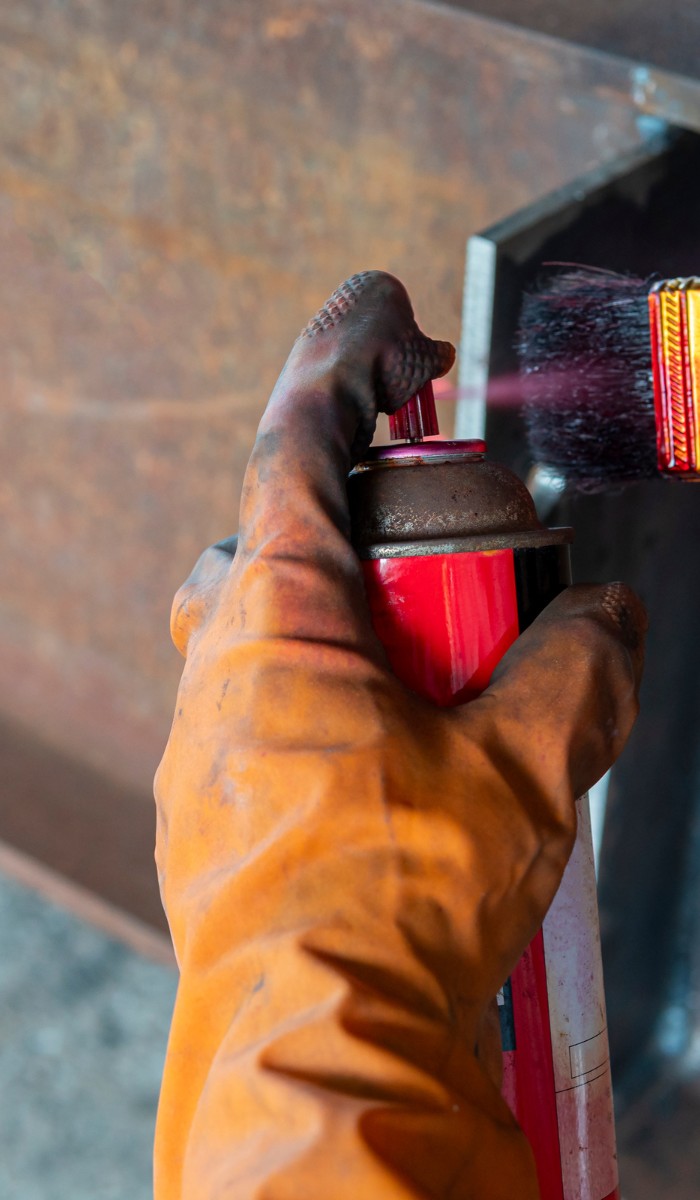
DPI works on the principle of capillary action, where a low surface tension liquid penetrant seeps into fine surface discontinuities on a clean and dry material surface. The process involves applying the penetrant through methods like spraying, brushing, or dipping, allowing sufficient dwell time for penetration.

While DPI is suitable for both ferrous and non-ferrous materials, magnetic particle inspection (MPI) is sometimes preferred for ferrous components when subsurface defect detection is required.

Where It Is Used

This inspection method is ideal for identifying defects in:

Castings and Forgings

Ensures structural integrity by detecting surface defects formed during casting and forging processes.

Welded Structures

Identifies cracks, porosity, and imperfections in weld joints to maintain strength and safety.

Machined Components

Detects fine surface flaws developed during machining, ensuring precision and reliability of components.

It effectively detects issues like hairline cracks, surface porosity, leakage paths, and fatigue cracks, which may not be visible to the naked eye.


Inspection Process

The inspection process follows a systematic step-by-step approach to ensure
accurate detection of even the smallest surface defects.

Surface Preparation

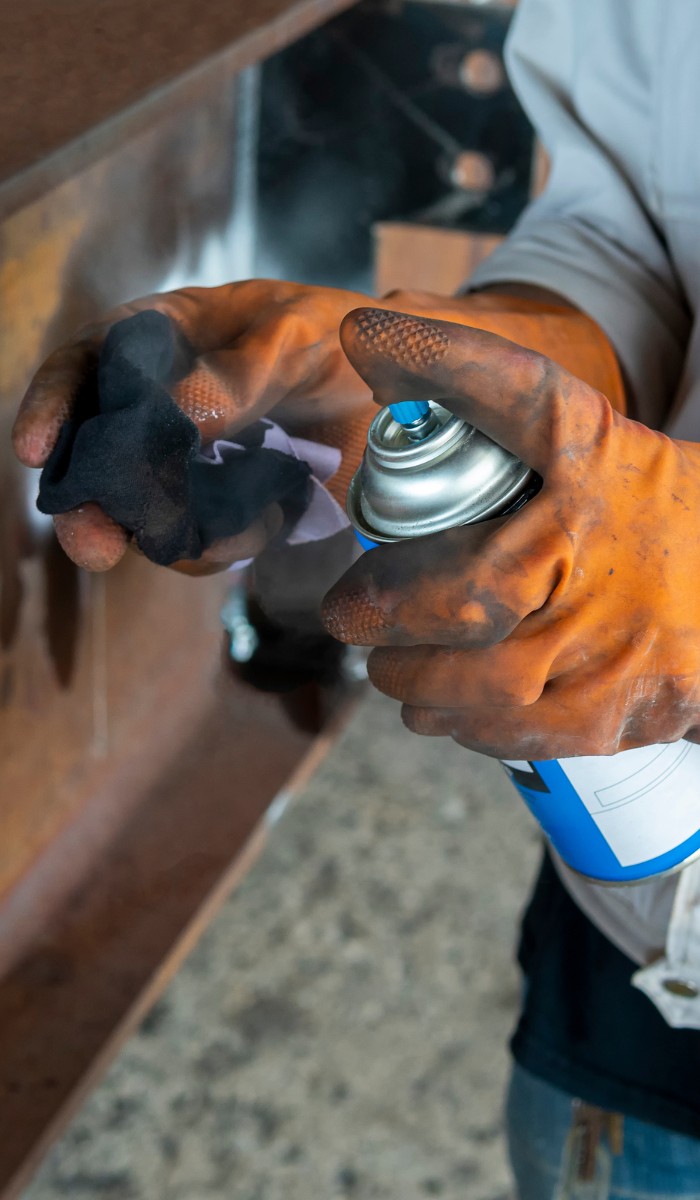
Cleaning the surface to remove dirt, oil, or contaminants

Penetrant Application

Applying the penetrant and allowing proper dwell time

Excess Removal

Removing extra penetrant from the surface

Developer Application

Drawing out penetrant from defects to make them visible

Inspection

Conducted under UV light (fluorescent) or white light (visible dye)

Working Principle

The process is based on capillary action, where a specially formulated liquid penetrant with low surface tension enters even the smallest surface discontinuities.

The penetrant is applied using methods such as spraying, brushing, or dipping, ensuring complete surface coverage and accurate inspection.

Why Choose This Method

Don’t Let Hidden Defects Risk Your Operations